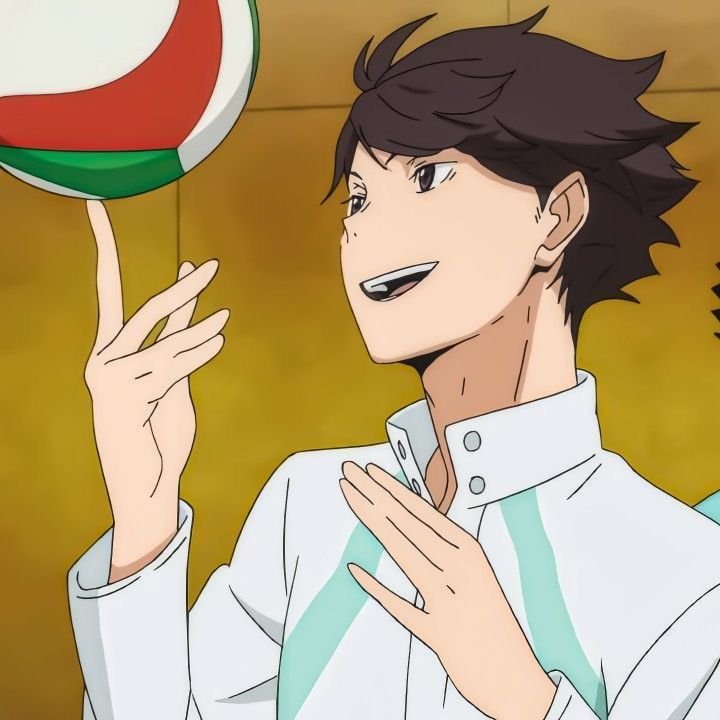
On the surface, comparing a high school volleyball setter to the Commander of the Survey Corps seems like an absurd mismatch. One operates on a polished hardwood court, orchestrating offensive plays; the other, on blood-soaked battlefields, leading humanity against colossal titans. Yet, peel back the layers, and you'll discover that both Oikawa Tooru of Aoba Johsai and Erwin Smith of the Survey Corps embody a rare breed of strategic leadership – individuals who inspire unwavering loyalty, meticulously plan for victory, and make difficult decisions for the greater good of their teams.
This flagship hub delves into the unexpected parallels and stark contrasts between these two iconic leaders. We're not just looking at brute strength or raw talent; we're dissecting their tactical minds, their ability to motivate, their resilience in the face of overwhelming odds, and their profound impact on those who follow them. Join us as we explore what truly defines a strategic leader, whether on a volleyball court or beyond the walls.
Unpacking Oikawa's Masterful Strategic Mindset
Oikawa Tooru is not your average volleyball star. Unlike prodigies who rely solely on innate skill, Oikawa’s genius lies in his profound understanding of the game and his opponents. He compensates for any perceived lack of natural talent with an unparalleled analytical prowess, dissecting rival teams' formations and individual player tendencies with surgical precision. He's the setter who knows exactly where to place a ball to exploit a weakness, making his spikers shine. This meticulous preparation and in-game adaptability are core to his strategic identity.
To truly appreciate the depth of his tactical acumen, we invite you to explore .
The Art of Elevating a Team: Oikawa's Synergy-Driven Leadership
A pivotal lesson Oikawa learned from his teammate Iwaizumi — "There are six people on court! The team with the best six players is the best!" — reshaped his entire approach. He understood that a team's strength isn't just the sum of individual talents, but a multiplication of their abilities, a synergistic effect where each player enhances the others. Oikawa’s leadership style, often described as that of a "mighty general" fighting alongside his soldiers, is built on trust and an unwavering commitment to bringing out the absolute best in everyone around him. He's not just issuing orders; he's orchestrating a symphony of talent.
This ability to weave individual strengths into an unstoppable collective force is a hallmark of truly great leadership. To understand how both Oikawa and Erwin foster such powerful group dynamics, check out .
Beyond the Game: Overcoming Personal Adversity and Forging a Path
Oikawa’s charming, often flamboyant exterior masks a deep well of insecurity, particularly stemming from his complex relationship with the naturally talented Kageyama. This fear of being replaced fueled an intense work ethic, pushing him to the brink. Yet, it's precisely these personal struggles and his refusal to be defined by them that forge his incredible resilience. His decision to refuse a spot at powerhouse Shiratorizawa, opting instead to defeat them with his own team, speaks volumes about his "all or nothing" character and his loyalty to his partners.
His post-high school journey to Argentina, starting his career from scratch to eventually become an Olympic setter, is a testament to his relentless dedication. This arc showcases that success isn't always about the easiest path, but the one forged with indomitable will. For a deeper dive into the personal battles and triumphs that shaped these leaders, consider .
Leadership Under Pressure: Strategic Choices and Their Consequences
Both Oikawa and Erwin operate under immense pressure, making decisions that carry significant weight. While Oikawa's "battles" are on the volleyball court, his strategic choices, from setter dumps to precise service aces, are calculated risks aimed at victory. Erwin, of course, faced life-or-death decisions in every expedition. What unites them is the willingness to make tough calls and commit fully to a chosen strategy, often in the face of uncertainty.
- Calculated Risks: Oikawa's willingness to adapt his strategy mid-game, or refuse the "safe" option of Shiratorizawa, demonstrates a profound understanding of risk versus reward.
- Unwavering Resolve: Once a path is chosen, both leaders commit fully, inspiring those around them to follow suit, even when the odds seem insurmountable.
The nature of their respective challenges might differ, but the underlying principles of strategic choice and conviction remain. Understand more about in our dedicated analysis.
Communication, Motivation, and the Power of Presence
Oikawa's charismatic personality isn't just a defense mechanism; it's a powerful tool for leadership. He charms, he motivates, and he communicates complex strategies in a way that resonates with his teammates, earning their complete trust. This contrasts with Kageyama's "king" style, where power often led to isolation. Oikawa’s ability to genuinely connect and inspire collective belief is crucial to his strategic success, ensuring everyone on court understands their role and feels empowered to execute it.
Similarly, Erwin Smith was renowned for his ability to rally his troops, inspiring them to face certain death with conviction. To compare their methods of galvanizing their teams, read about .
The Legacy of a Leader: Shaping the Future
Both Oikawa and Erwin, in their unique contexts, leave an indelible mark on those they lead and the world they inhabit. Oikawa’s journey, from an insecure high schooler to an Olympic setter, is a powerful lesson that failure can be a tool for improvement and that relentless dedication transcends natural talent. He showed his teammates that an "all or nothing" commitment, paired with smart strategy, can achieve dreams. Erwin, through his sacrifices and unwavering vision, redefined humanity's fight for freedom.
Their enduring impact extends far beyond their immediate victories or defeats. To truly grasp the long-term influence of these commanders, explore .
The Unique "Battlefields": Volleyball vs. Titans
While vastly different, the strategic thinking required in a high-stakes volleyball match shares intriguing parallels with military strategy. Oikawa constantly analyzes the "battlefield," identifies enemy weaknesses, and deploys his "forces" (his spikers) with precision. His serves are akin to artillery, his sets to tactical maneuvers, and his team's defense to a fortified line. Erwin, of course, literally commanded in military operations. The core principles of intelligence gathering, resource allocation, and decisive action are present in both domains.
Discover how tactical genius translates across seemingly disparate fields by .
The Psychological Game: Mind Over Matter
Beyond physical prowess, both Oikawa and Erwin demonstrate a keen understanding of psychological warfare. Oikawa uses his charming demeanor and precise plays to get inside his opponents' heads, making them doubt themselves or react predictably. He relishes the mental challenge as much as the physical one. Erwin's very presence, his unwavering conviction, often served as a powerful psychological weapon against both his enemies and the despair of his own soldiers.
To unravel the intricate ways these leaders wielded mental fortitude and tactical deception, delve into .
Beyond the Comparison: What True Leadership Entails
Ultimately, comparing Oikawa Tooru and Erwin Smith isn't about declaring a definitive "winner." It's about recognizing that true strategic leadership transcends context. It's about the ability to inspire, to analyze, to adapt, to make hard choices, and to relentlessly pursue a vision, no matter the obstacles. Both Oikawa and Erwin exemplify these qualities, offering invaluable lessons on how to lead effectively, whether you're aiming for a national championship or the survival of humanity.
Dive deeper into these fascinating aspects of leadership and uncover the layers of strategic brilliance that make Oikawa and Erwin iconic figures in their respective narratives.